About ICU Pendant
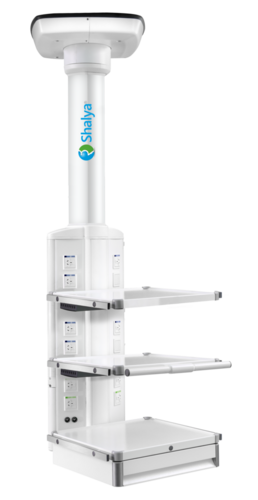
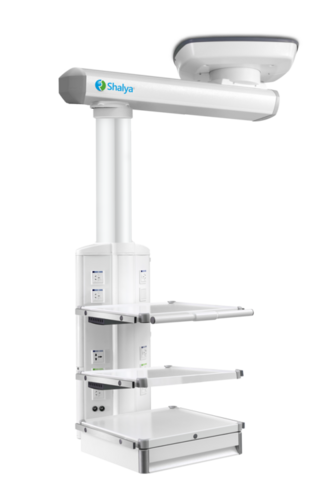
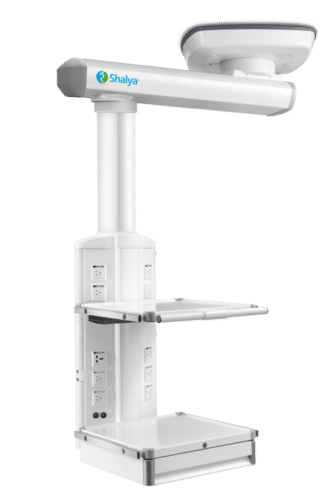
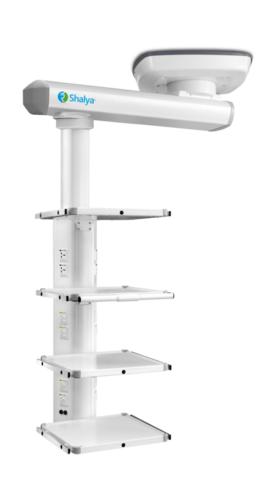
The offered ICU Pendant is an equipment designed to provide improved patient access over conventional pendant. It helps in eliminating common problems including possible hazards with trailing hoses and cables. It is an ergonomic system. ICU Pendant is equipped with the first-rate components and parts, which are responsible for its reliable performance and resilience. ICU Pendant can be purchased at a cost-effective price.
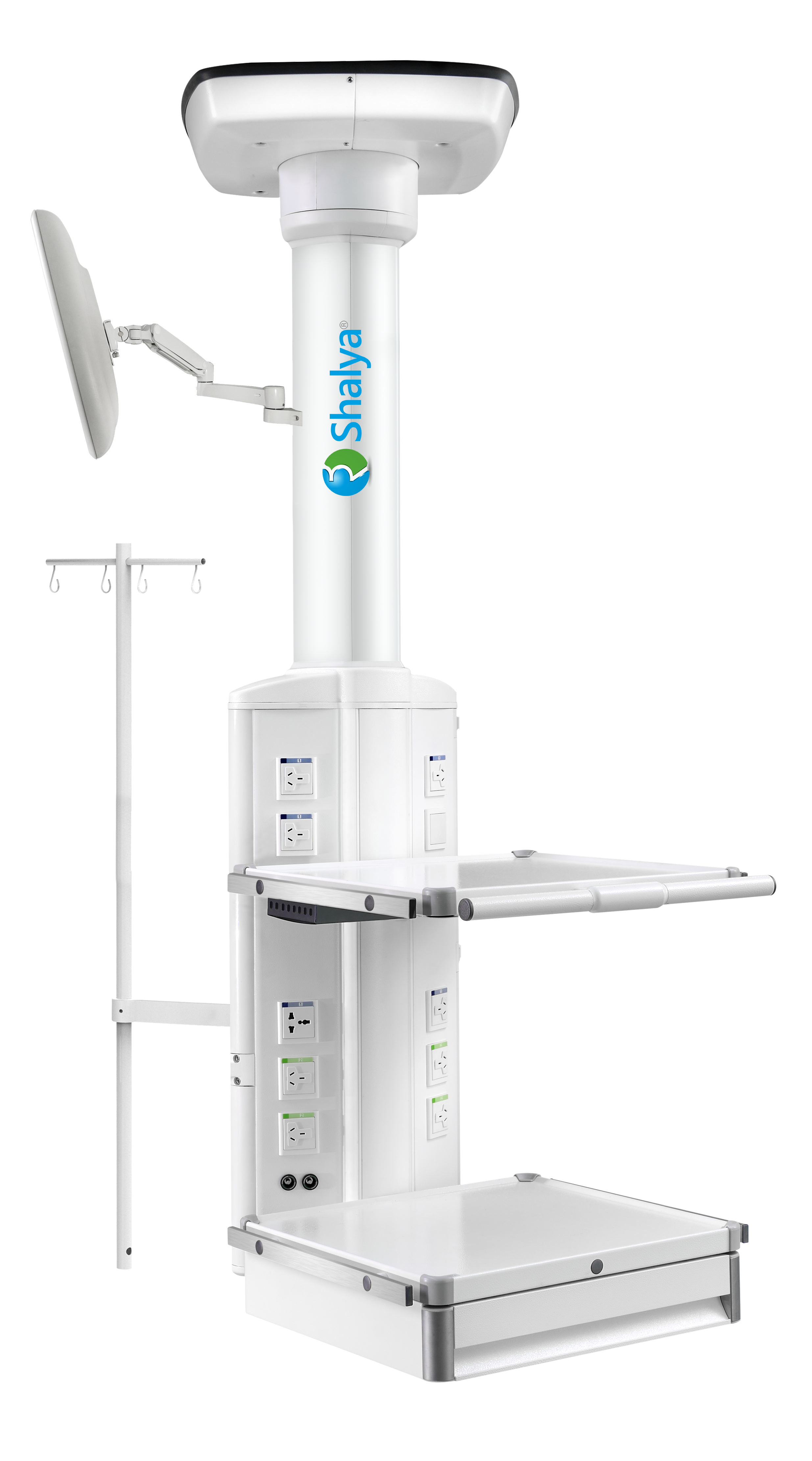
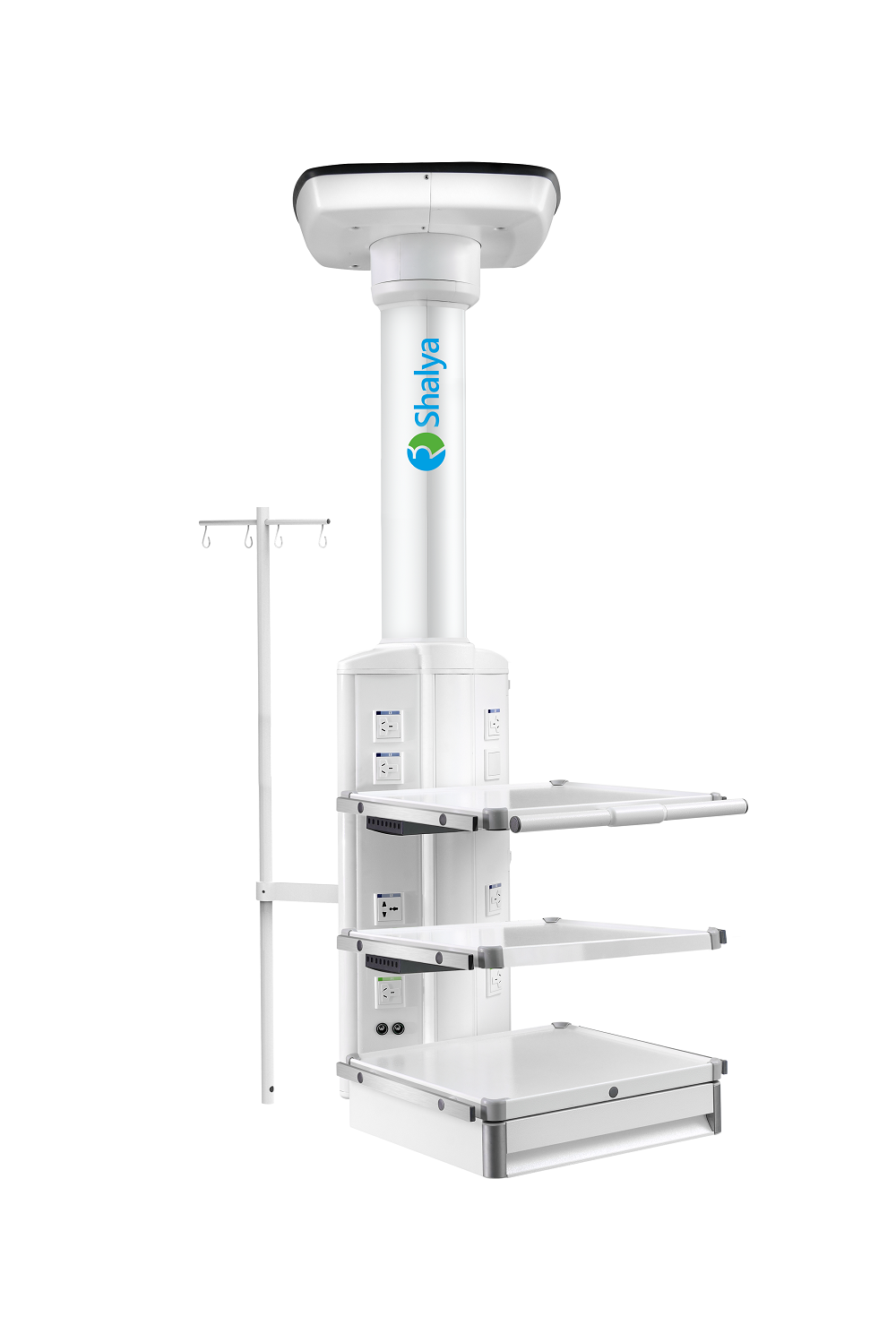
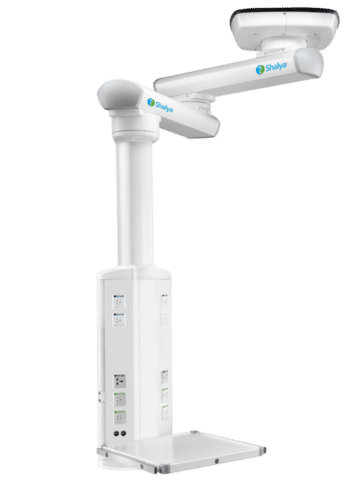
Reliable Support for Critical CareThe ICU pendant ensures efficient delivery of medical gases and seamless electrical connectivity for essential devices at the bedside. Its rotatable arms allow for versatile positioning, catering to different procedures and patient needs. Each arm can safely support up to 120 kg, making it robust enough for a variety of equipment setups required in ICU settings.
Flexible Movement and Modern ControlsDesigned for both vertical and horizontal motion, the pendant offers maximum accessibility while minimizing clutter. The integrated control panel and emergency buttons provide immediate and easy management, ensuring swift responses in urgent situations. Its modular, manual movement design enables healthcare teams to reconfigure equipment layouts as needed.
Integrated Storage and LightingThe unit features built-in drawers and shelves, promoting organized storage of medical supplies and equipment. The integrated LED lamp ensures clear visibility for medical staff even during nighttime care, improving workflow and patient safety. Its smart layout supports both adult and pediatric critical care beds.
FAQs of ICU Pendant:
Q: How does the ICU pendant facilitate medical gas and electrical equipment support in critical care units?
A: The ICU pendant features four medical gas outlets and universal sockets, enabling a centralized supply of gases and power. Its modular design and rotatable arms allow staff to position essential equipment close to the patients bedside, optimizing efficiency during treatment and emergency procedures.
Q: What are the benefits of using an ICU pendant with a 340 rotatable arm?
A: The 340 arm rotation offers significant flexibility, allowing staff to reposition equipment for various procedures and patient needs. This adaptability enhances ease of access, improves workflow, and eliminates unnecessary movement in critical care scenarios, benefiting both patients and healthcare professionals.
Q: When should the arm rotation or vertical/horizontal movement features be used during patient care?
A: Arm rotation and movement are utilized when repositioning medical devices or accessing different support functions within the patients area. These features are especially helpful during interventions, bedside procedures, or when adapting the workspace for pediatric or adult patients in ICU, CCU, or NICU settings.
Q: Where is the ICU pendant typically installed within a hospital environment?
A: This pendant is designed to be ceiling-mounted above ICU, CCU, NICU, and surgical ward beds. Its configuration is suitable for both adult and pediatric setups, making it adaptable to various critical care environments within hospitals or advanced healthcare facilities.
Q: What safety measures are integrated into the ICU pendant for immediate response?
A: The unit is equipped with emergency buttons located on the control panel, enabling swift action in urgent situations. Additionally, its low-noise operation and integrated LED lighting aid in maintaining a calm, well-illuminated environment, promoting safety and efficient medical intervention.
Q: How should the ICU pendant be maintained to ensure longevity and optimal function?
A: Regular cleaning with hospital-grade disinfectants and routine checks of arm rotation, gas outlets, and electrical connections are recommended. The powder-coated, anticorrosive finish and robust materials help resist wear, ensuring the pendant remains reliable in high-demand healthcare settings.
Q: What advantages does the modular design and integrated storage bring to critical care units?
A: The modular design allows for easy customization to meet specific hospital requirements, while integrated drawers and shelves provide convenient storage of medical supplies. This promotes efficiency, reduces clutter, and supports organized workflows for treating critically ill patients.
 Call Us :-08045803732
 Mon-Sat 9.00 AM - 6.00 PM







 Send Inquiry

 Send Inquiry
 Send Inquiry
 Send SMS


 English
 Spanish
 French
 German
 Italian
 Chinese (Simplified)
 Japanese
 Korean
 Arabic
 Portuguese