About Vessel Sealing Devices
- Sealing up to 7mm tissue width can be done, where the sealed tissue is strong enough to withstand 3 times normal systolic pressure.
- Insert open(OP rEHOLD ) or close ( CL rEHOLD) Alarms given incase of mishandling of tissue.
- Application:Colectomy, Nissen Fundoplication, Gastrectomy, Splenectomy, Adrenalectomy , Nephrectomy Cholecystectomy
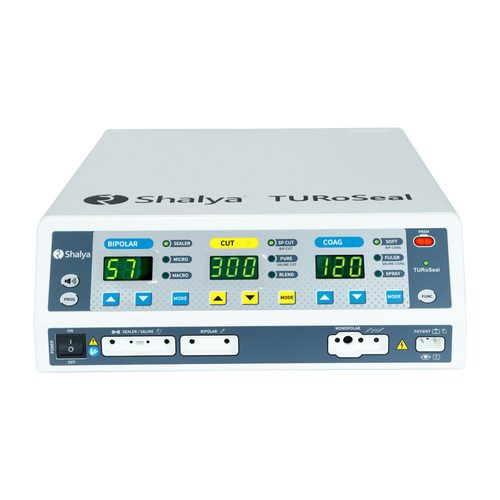
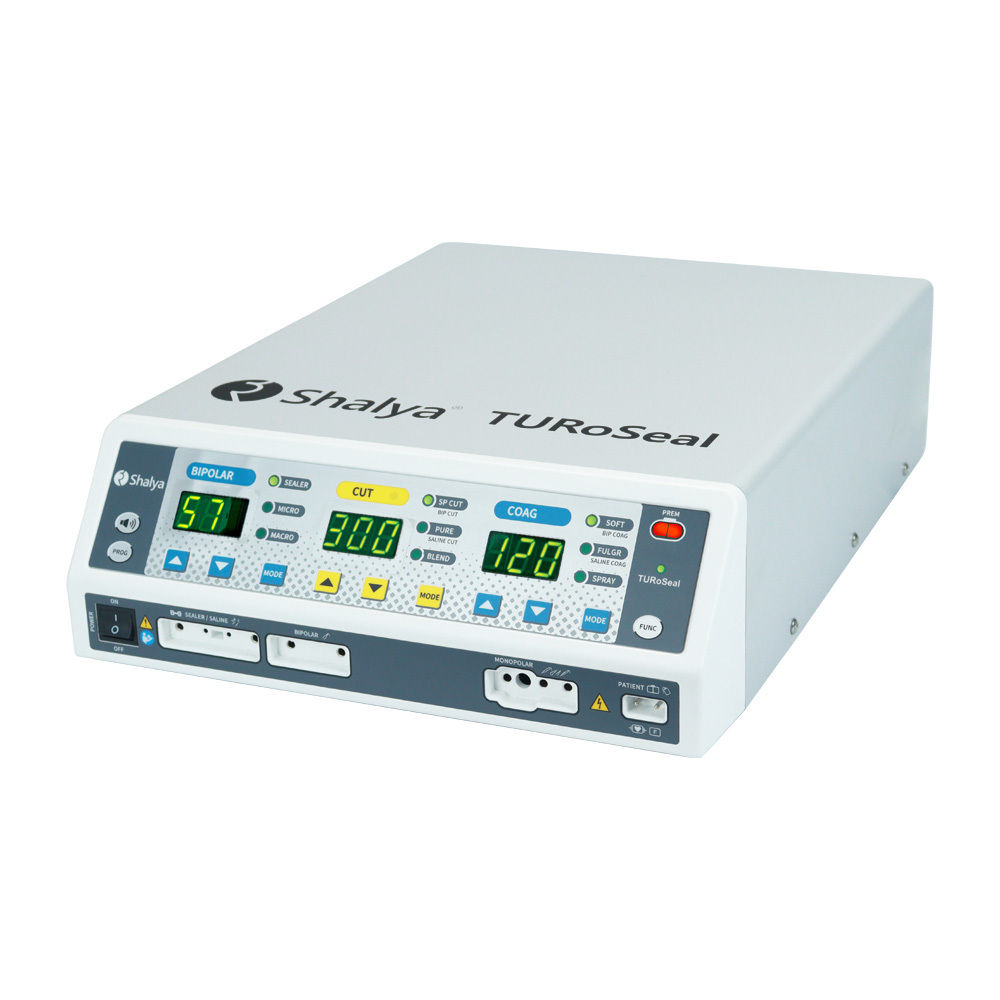
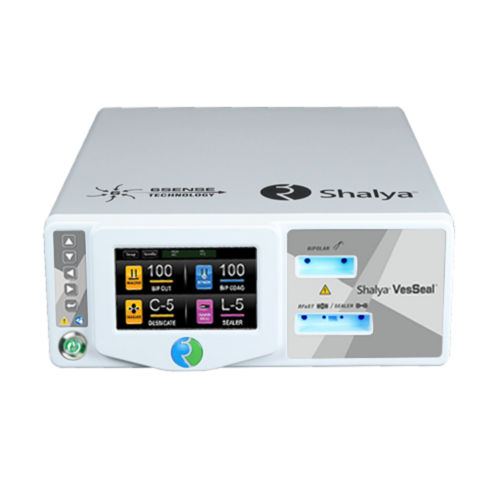
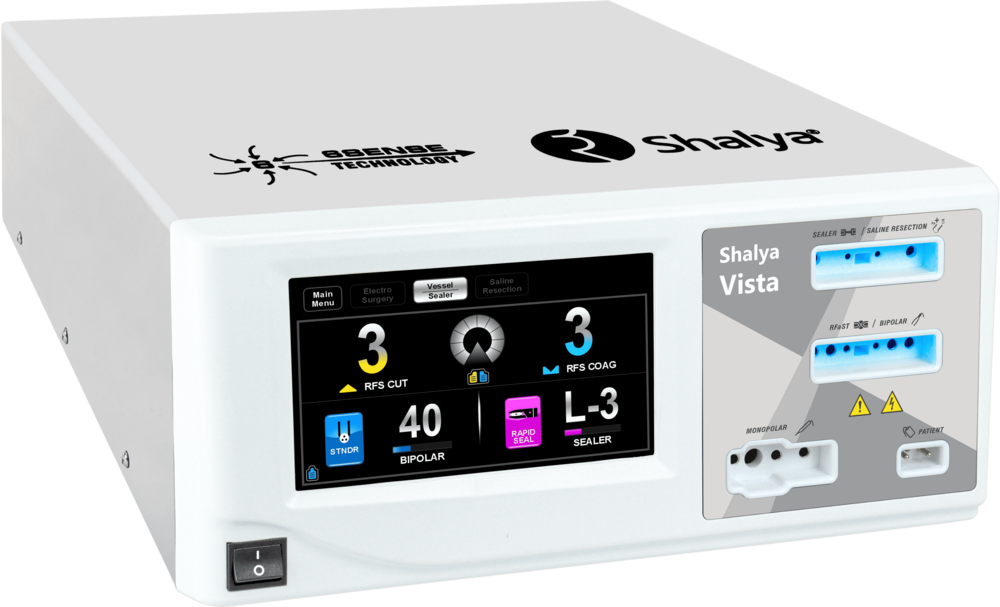
Precision and Efficiency in Vessel SealingThe device employs advanced technology to deliver rapid sealing cycles of 25 seconds, ensuring surgical precision while minimizing operative time. Its accuracy (5%) and ability to seal vessels up to 7 mm make it an essential instrument in high-demand clinical procedures, enhancing overall workflow and safety.
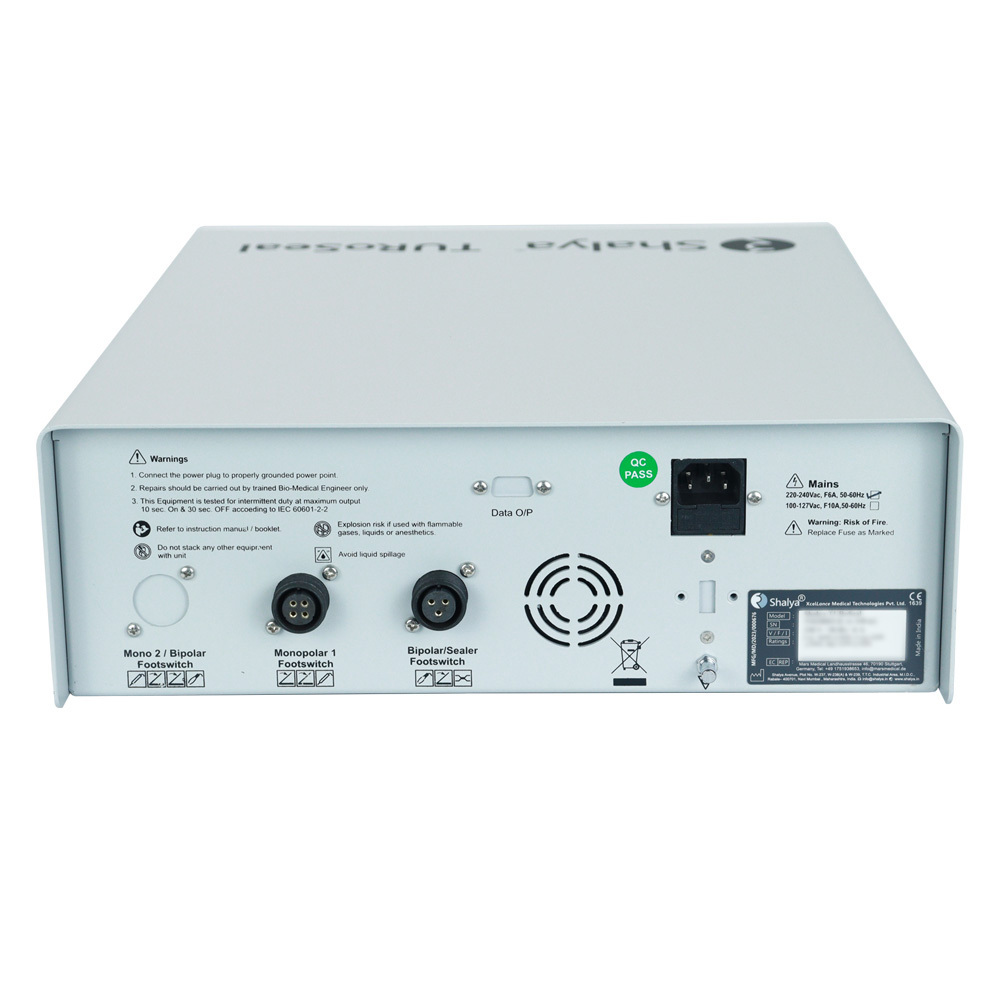
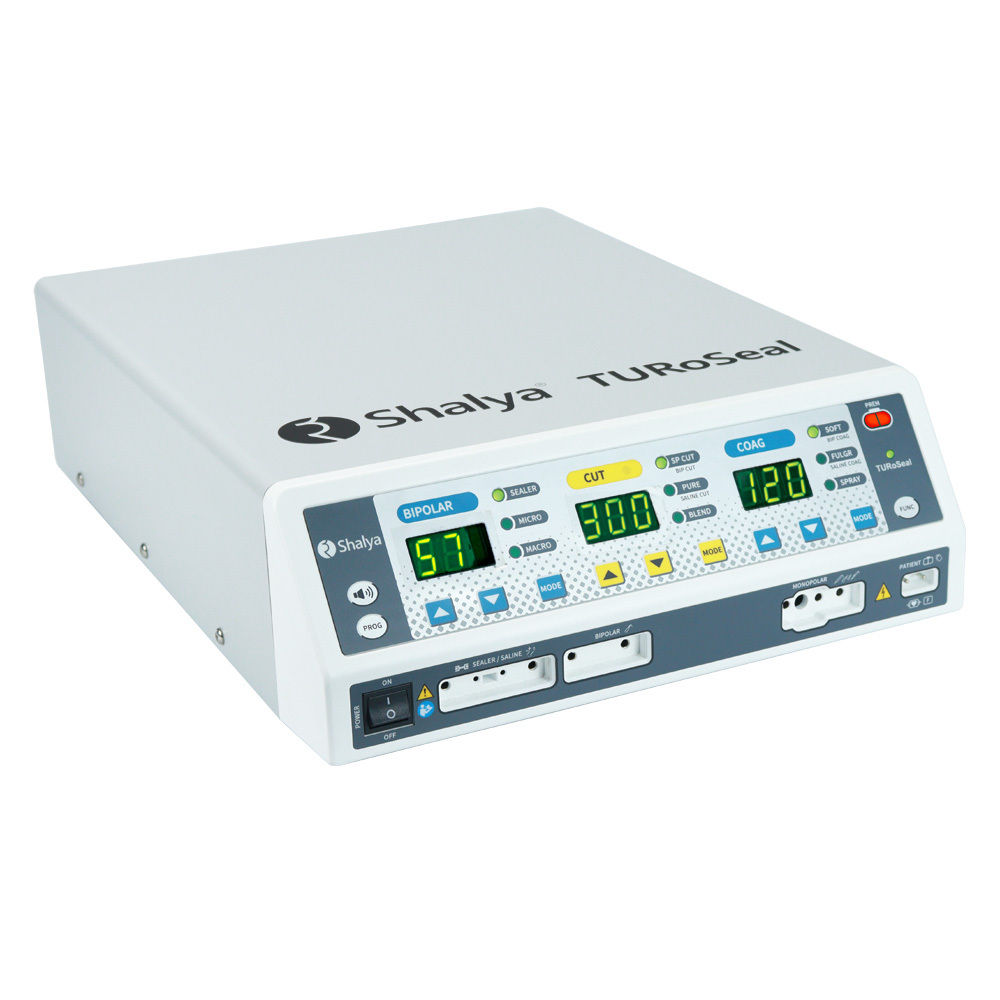
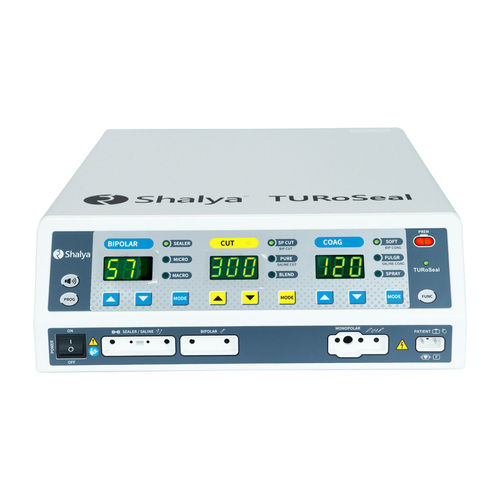
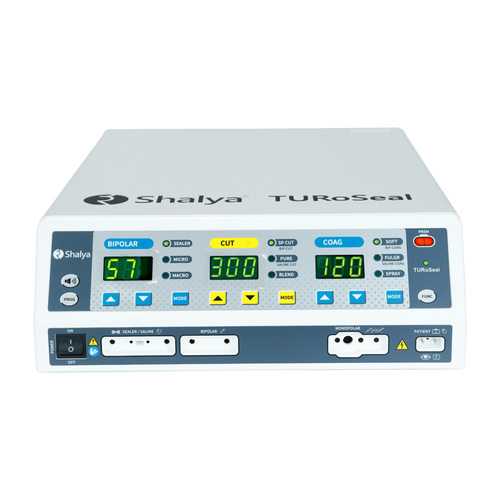
User-Friendly and Safe DesignEquipped with an ergonomic insulated handle and a footswitch, this vessel sealer promotes ease of operation and control during surgery. The digital LED display allows for real-time monitoring, while fused protection and robust material construction ensure compliance with safety protocols for everyday use.
Versatility Across Surgical SpecialtiesWhether in general surgery, gynecology, urology, or laparoscopic operations, this system adapts seamlessly. Its autoclave-compatible components, long 2.5 m cable, and semi-automatic function support diverse surgical environments and ensure high standards of sterilization and utility.
FAQs of Vessel Sealing Devices:
Q: How does the vessel sealing device ensure efficient and safe sealing during surgery?
A: The device utilizes high-precision technology with a sealing cycle time of only 25 seconds, and can seal vessels up to 7 mm in diameter. Incorporated safety features such as fuse protection, insulated handle, and robust construction ensure both efficiency and safety for operators and patients.
Q: What types of surgical procedures can this vessel sealing device be used for?
A: It is suitable for a broad range of electrosurgical procedures, including general surgery, gynecology, urology, and laparoscopy. Its versatility is supported by features like autoclave compatibility, ergonomic design, and adaptability to multiple surgical needs.
Q: When should I use this device during a surgery?
A: The vessel sealing device should be used for hemostasis and reliable sealing of blood vessels and tissue bundles when secure closure is critical, such as during cutting or removal of tissues in electrosurgical procedures.
Q: What is the process for sterilizing the vessel sealing device?
A: The device is designed with autoclave-compatible components, allowing for safe and thorough sterilization between uses. Follow the manufacturers recommended protocols for autoclaving to maintain optimal hygiene and device longevity.
Q: How does the footswitch operation benefit the surgical process?
A: The available footswitch allows hands-free activation of the sealing mechanism, giving surgeons finer control and reducing hand fatigue during lengthy procedures. This promotes efficiency and helps maintain a sterile field.
Q: Where can this vessel sealing system be installed or used?
A: With its compact, rectangular design, single-phase electric operation, and user-friendly interface, the device can be installed in hospital operating rooms, surgical centers, and specialty clinics across India.
Q: What are the main benefits of using this vessel sealing device over traditional methods?
A: This device offers rapid, effective, and safe vessel sealing, minimizing blood loss and reducing operative time. Additional advantages include ergonomic usability, digital monitoring, enhanced safety, and compatibility with standard sterilization procedures.
 Call Us :-08045803732
 Mon-Sat 9.00 AM - 6.00 PM







 Send Inquiry

 Send Inquiry
 Send Inquiry
 Send SMS
 Call Me Free


 English
 Spanish
 French
 German
 Italian
 Chinese (Simplified)
 Japanese
 Korean
 Arabic
 Portuguese