About Shalya Vessel Sealing Systems
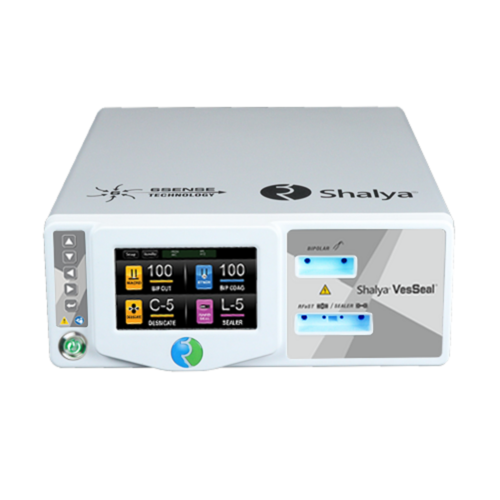
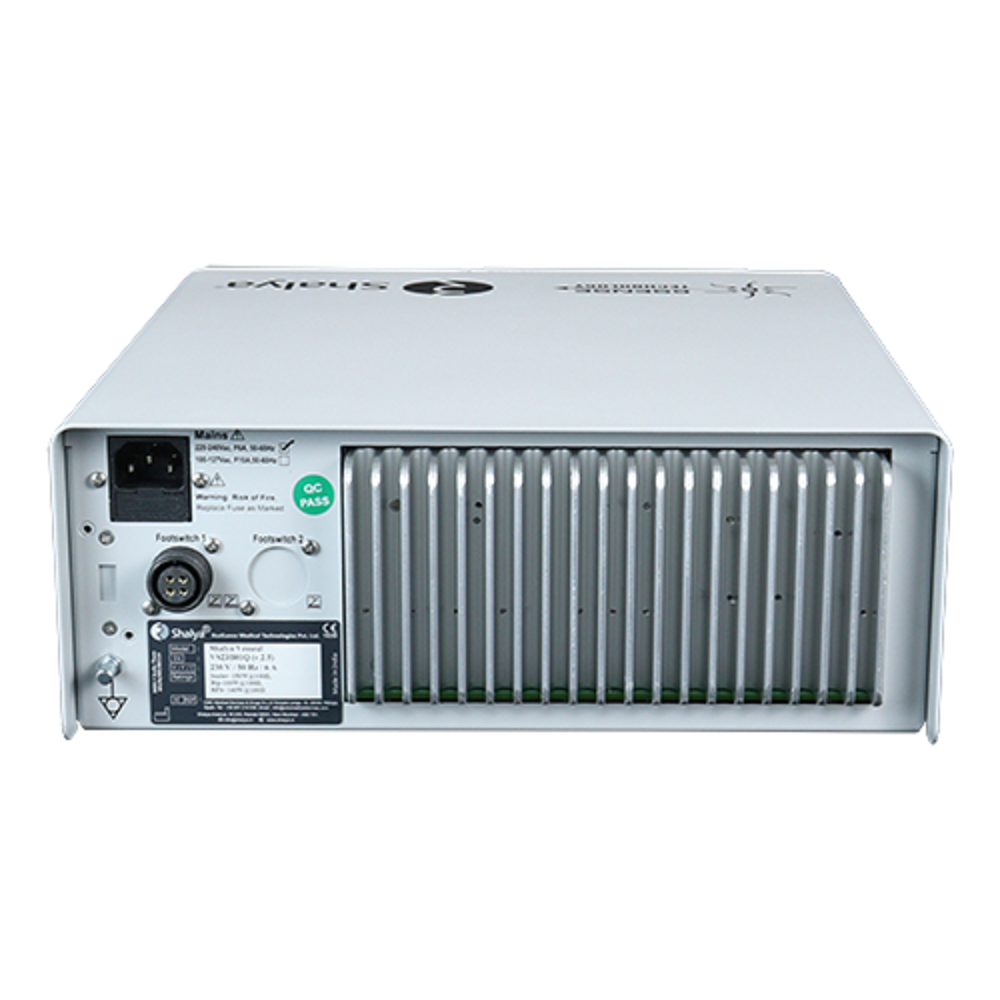
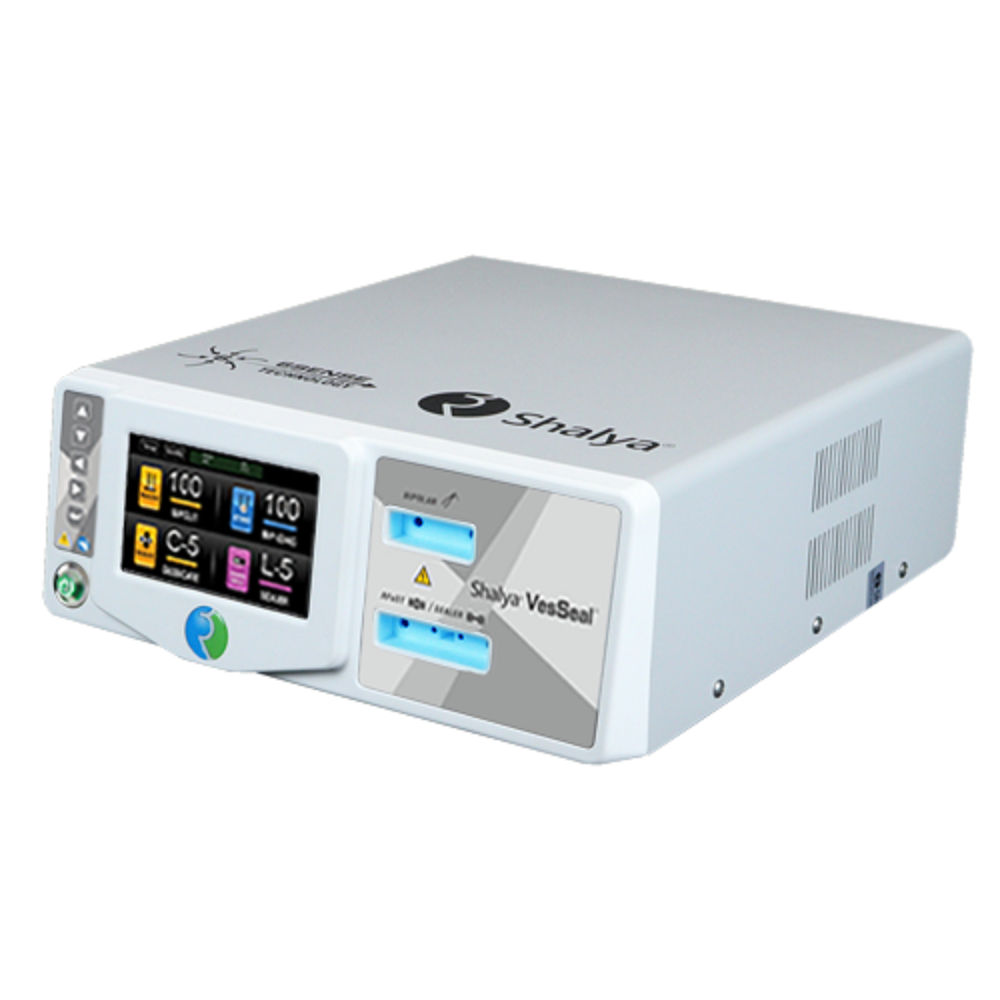
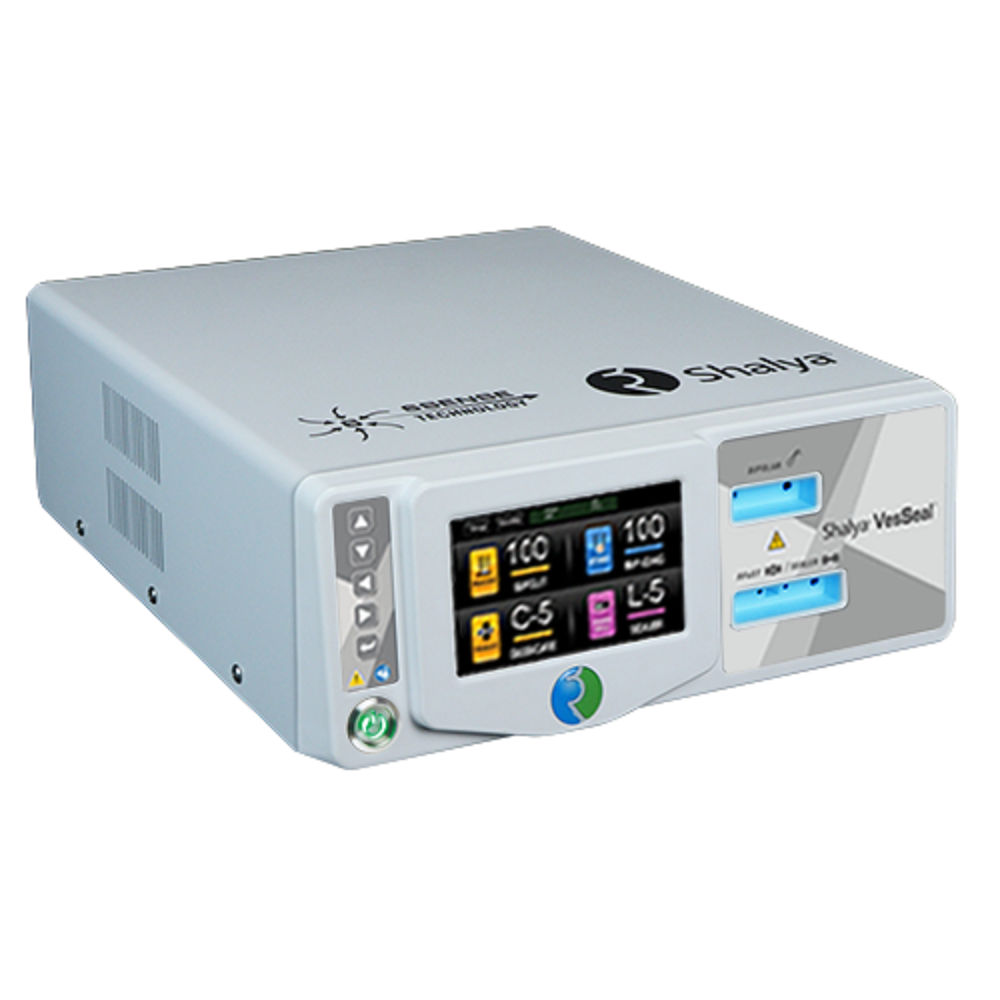
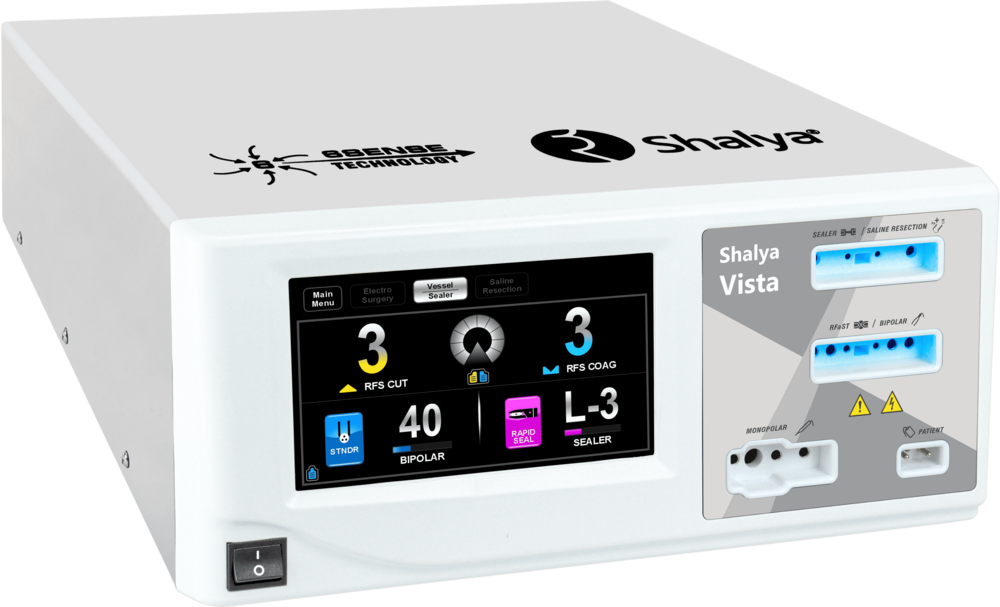
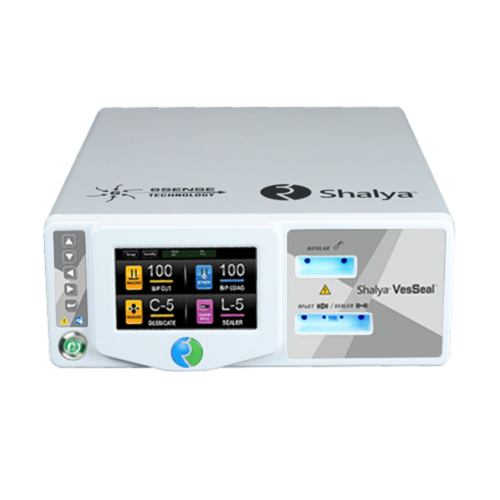
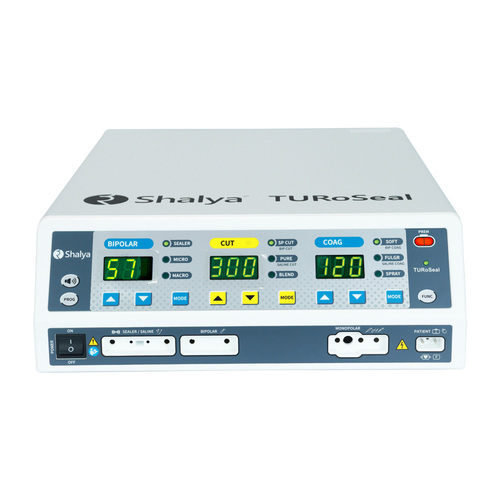
The Shalya Vessel Sealing System is used in surgical procedures to seal blood vessels and reduce bleeding. This system features advanced technology that uses high-frequency energy to seal vessels quickly and effectively. The device is compact and easy to use, with a user-friendly interface and clear feedback for surgeons. Benefits of this Shalya Vessel Sealing System include reduced blood loss, shorter operating times, and fewer complications for patients. Additionally, this system can be used in a wide range of procedures, including laparoscopic and open surgeries. It is a preferred choice for surgeons in various specialties, including gynecology, urology, and general surgery.
Advanced Sealing PrecisionHarnessing cutting-edge electrosurgical technology, the Shalya Vessel Sealing System offers high accuracy in sealing and dividing vessels and tissue bundles. Its dual-mode operation (monopolar and bipolar) allows for tailored performance based on the surgical need, minimizing thermal spread and unintended tissue damage.
Optimized for Operating Room EfficiencyWith a sealing time of just 2 to 7 seconds depending on tissue, automatic overload protection, and patient plate monitoring, this vessel sealer ensures timely procedures and enhanced patient safety. Both reusable and disposable handpiece compatibility streamlines instrument turnover and cost-effectiveness.
User-Friendly Interface and Safety FeaturesFeaturing a responsive membrane touch panel, digital LED display, and audible tones for operation and fault indication, the system prioritizes intuitive use and clear communication during critical surgical moments, reducing risks and enhancing control for surgical teams.
FAQs of Shalya Vessel Sealing Systems:
Q: How does the Shalya Vessel Sealing System enhance surgical precision and safety?
A: The system employs advanced high-precision sealing technology, delivering controlled energy via monopolar and bipolar modes. Built-in safety features such as overload protection, audible alarms, patient plate monitoring, and operation/fault indicators help to maximize patient and user safety throughout surgical procedures.
Q: What types of surgical procedures and specialties can use this vessel sealing system?
A: This vessel sealing system supports general surgery, gynecology, urology, and laparoscopy, making it suitable for hospitals and operation theatres across a range of open and minimally invasive surgical procedures.
Q: When should surgeons choose between monopolar and bipolar cutting modes?
A: Surgeons select the monopolar mode for a broader cutting effect in larger tissue areas or when versatile energy application is needed, while the bipolar mode is preferred for precise, focused vessel sealing with minimal thermal spread, ideal for delicate procedures.
Q: Where can the Shalya Vessel Sealing System be conveniently installed and used?
A: Its compact, stainless steel construction and lightweight design make it ideal for installation in any hospital operating theatre or surgical suite, fitting easily into standard OR setups with its 370 mm x 320 mm x 130 mm footprint.
Q: What is the process for using and maintaining the handpieces with this system?
A: Handpieces are designed for both reusable and disposable options, facilitating easy replacement and sterilization. Regular inspection and adherence to manufacturer guidelines for maintenance ensure optimal performance and longevity.
Q: What are the advantages of the membrane touch panel and digital display?
A: The membrane touch panel provides intuitive, responsive operation for adjusting settings, while the digital LED display offers clear, real-time feedback, contributing to seamless procedural control and reduced likelihood of user error.
Q: How does patient plate monitoring benefit surgical outcomes?
A: Patient plate monitoring ensures proper patient contact during monopolar procedures, minimizing the risk of burns or ineffective energy delivery, thereby protecting patient safety and supporting consistent sealing results.
 Call Us :-08045803732
 Mon-Sat 9.00 AM - 6.00 PM








 Send Inquiry

 Send Inquiry
 Send Inquiry
 Send SMS
 Call Me Free


 English
 Spanish
 French
 German
 Italian
 Chinese (Simplified)
 Japanese
 Korean
 Arabic
 Portuguese