 Call Us :-08045803732
 Mon-Sat 9.00 AM - 6.00 PMCall Us :-08045803732 Mon-Sat 9.00 AM - 6.00 PM

We make and sell a wide variety of Advanced Laparoscopy Instruments in order to establish a long-lasting and mutually beneficial business relationship with the clients. These tools are frequently used in the medical field to manage open procedures. These instruments are made by our devoted staff team from premium stainless steel. Customers can order our advanced laparoscopy instruments in a variety of unique sizes, shapes, and models to suit their needs. We provide our instruments at a reasonable cost.
Features:
Simple to use
rust-proof construction
enduring qualities
Frequently Asked Questions
What are advanced laparoscopic procedures?
Advanced laparoscopy is an open procedure in which the abdomen's skin is incised. The incision can be up to several inches long, but it often measures little more than a half inch. Minimally invasive surgery is another name for advanced laparoscopic surgery.
What is a complicated laparoscopy?
Complex operative laparoscopy involves more extensive surgery and in turn involves greater risks. These procedures should be performed by sub specialist surgeons who only perform laparoscopic surgery, and who have great skill. Complex Operative laparoscopy includes: Removal of an ectopic pregnancy (salpingectomy).
How is Advanced Laparoscopic Surgery Performed?
An tool called a laparoscope is used by a surgeon during laparoscopic surgery. After the surgeon creates the incision, a long, thin tool called a laparoscope is inserted into the abdomen. A surgeon using a laparoscopic procedure can view the abdominal and pelvic organs on a television screen thanks to the device's attachment to a tiny camera. Other tools might also be employed by the surgeon to address an issue with one of the organs. A single site laparoscopy, which can be performed if there is a problem, involves using the same incision that was made to insert the laparoscope.
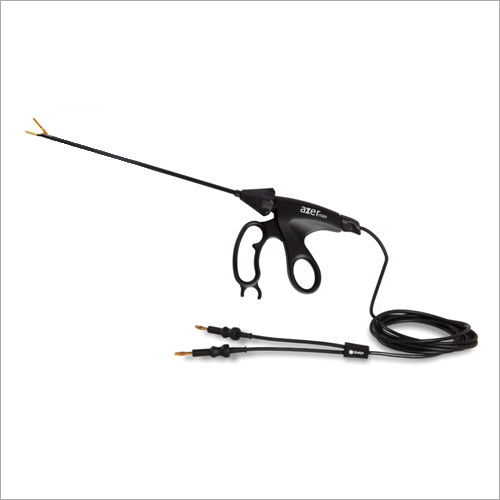

Price:
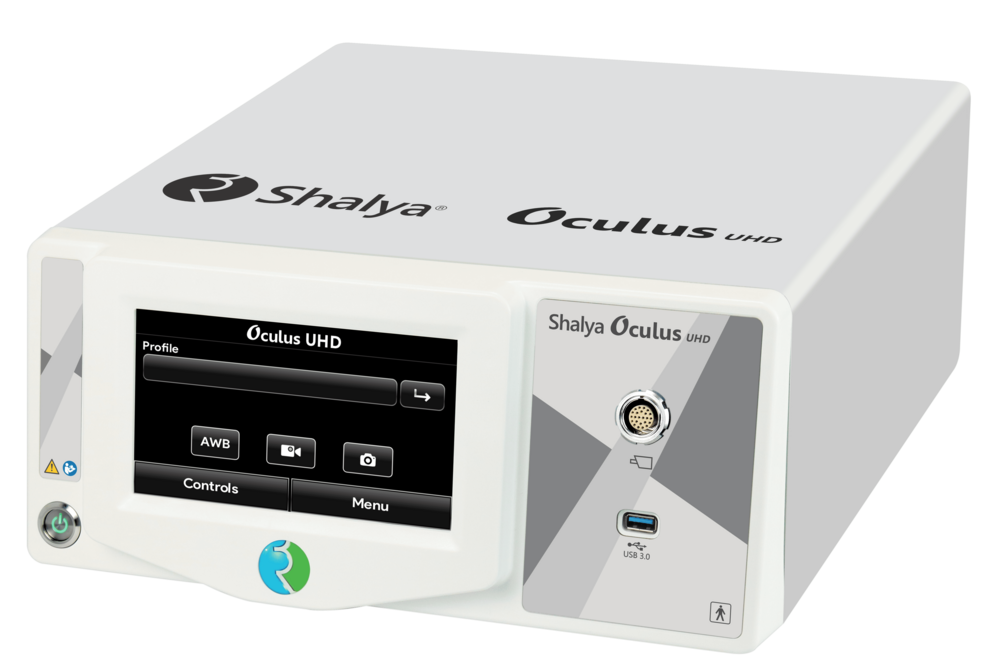
Material : Other, Medical Grade Stainless Steel & Polycarbonate
Forcep Detail : Bipolar, Monopolar, Insulated, SS Material
Usage : Laparoscopic Surgery, Endoscopy Procedures
Noise Level : <30 dB
Weight : Approx 20 kg (System with Camera & Light Source)
Sterilization Mode : Autoclave Compatible (Instruments)
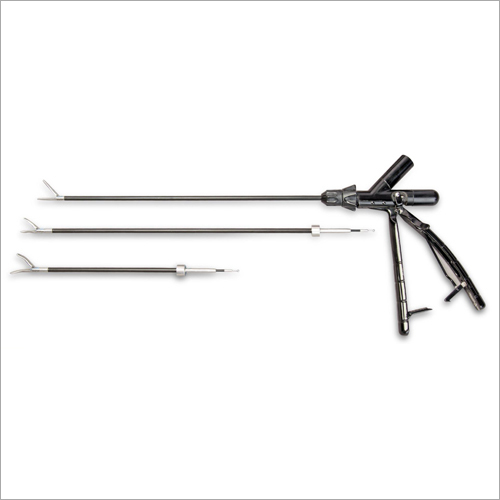
Material : Other, Medical grade stainless steel and insulated polymer
Forcep Detail : Bipolar sealing jaw, atraumatic tip
Usage : Laparoscopic vessel sealing and tissue coagulation
Noise Level : Silent operation
Weight : Approx. 80 grams
Sterilization Mode : Autoclavable at 134C
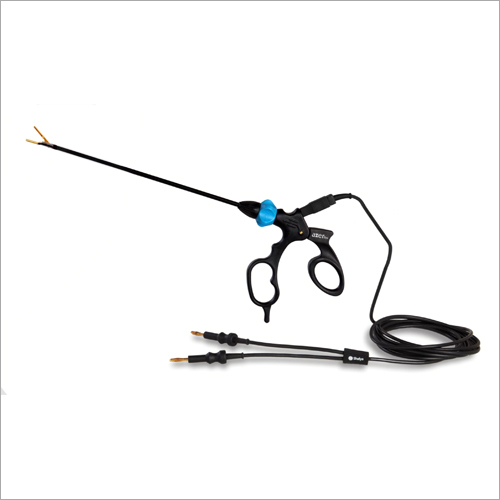
Material : Other, Medical grade stainless steel, polymer handle
Forcep Detail : Grasper/dissector/jaw type interchangeable
Usage : Laparoscopic general & specialized procedures
Noise Level : Silent (manual operation)
Weight : 150200g (varies by jaw type)
Sterilization Mode : Autoclave/ETO
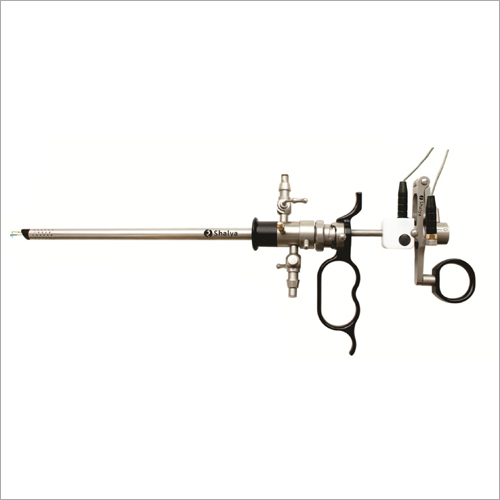
Material : Other, Medical grade stainless steel
Forcep Detail : Not Included
Usage : Surgical, urological procedures
Noise Level : Silent during operation
Weight : Approx. 0.6 kg
Sterilization Mode : Autoclavable

GST : 27AAACX0605P1Z5




 Send Inquiry

 Send Inquiry
 Send Inquiry
 Send SMS
 Call Me Free


 English
 Spanish
 French
 German
 Italian
 Chinese (Simplified)
 Japanese
 Korean
 Arabic
 Portuguese